


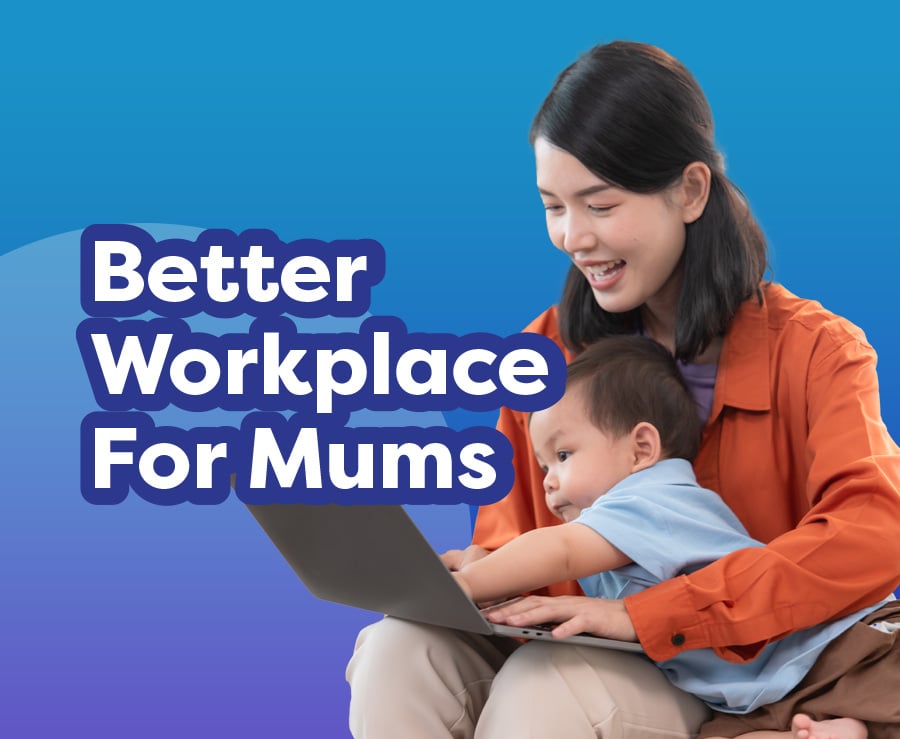
Mother’s Day may be over, but support for working mothers shouldn’t be.
Last week, many of us celebrated Mother’s Day with flowers, thoughtful gifts, and heartfelt appreciation for the mothers in our lives. But beyond the celebrations lies an important question: are we truly supporting mothers where they spend a large part of their time — at work?
Working mothers are often described as "super mums" because of their ability to multitask so effectively. They balance career responsibilities while caring for their families. Whether they are our mothers, sisters, friends, or even ourselves, we can all understand and appreciate the resilience of working mothers who tirelessly juggle both their professional and home lives.
Challenges and the realities of working mothers
For many working mothers in Malaysia, balancing the demands of career and family is not an easy task. Our society often places high expectations on women to be the primary caregivers at home, while at the same time expecting them to excel in the professional world.
These dual demands can sometimes lead to bias in the workplace. Their commitment may be questioned, with assumptions that their focus is divided between work and family responsibilities.
Lack of adequate support can exacerbate these challenges, sometimes forcing difficult decisions such as leaving a job. On the other hand, when organisations create supportive and inclusive work environments, working mothers are better positioned to thrive both professionally and personally.
More importantly, organisations themselves also benefit through stronger employee retention, improved morale, and a healthier workplace culture.
Here are four ways employers can better support working mothers in the workplace:
Paid maternity leave
The Malaysian Employment Act 1955 provides eligible mothers with 98 days of paid maternity leave, a benefit that plays a critical role during one of the most important phases in a woman’s life.
For working mothers, paid maternity leave offers:
Financial stability
It gives mothers peace of mind as they enter a new phase of life without having to worry about their source of income.
Time to bond with their child
It allows mothers to build a strong emotional bond with their baby during the first few months after birth — a critical period for a child’s emotional and physical development.
Support for infant care and health
It ensures mothers have the time to focus fully on their baby’s immunisation schedule, feeding routine, and essential daily needs.
Mental health support
It helps mothers adjust to physical and emotional changes, while also reducing the risk of mental health issues such as postpartum depression.
By providing paid maternity leave, employers demonstrate genuine care and appreciation for the sacrifices made by working mothers. This commitment not only safeguards their well-being, but also positively impacts their daily lives and reinforces that their contributions and dedication are truly valued.
Flexible working arrangements
Flexible working arrangements are becoming increasingly important for mothers who need to balance both career and family responsibilities. Options such as flexible hours, hybrid working arrangements, or working from home can help them manage their daily schedules more effectively without compromising productivity.
Most importantly, these working arrangements reflect an employer’s trust in their employees. When employees feel trusted and supported, they are more likely to be motivated, focused, and loyal to the organisation.
Childcare support
One of the biggest challenges faced by working mothers is finding reliable and affordable childcare. For many women, this issue is often a major source of financial and emotional stress.
Employers can make a significant difference by introducing family-friendly initiatives such as:
- Childcare fee subsidies
Financial assistance can help ease the cost of childcare services, allowing parents to focus on work without constantly worrying about childcare expenses.
- On-site daycare facilities
Providing childcare centres within or near the workplace gives parents peace of mind, knowing their children are nearby and cared for in a safe environment while they work.
- Nursing rooms
Comfortable, clean, and private spaces for mothers to express milk, while preserving their privacy and dignity in the workplace.
Health and wellness support
Balancing work and family responsibilities can lead to extreme exhaustion and burnout. This is why health and well-being support is especially important for working mothers.
Employers can support this through initiatives such as:
Mental health support programmes
Counselling services
Employee well-being activities
Stress management workshops
Healthcare and medical benefits
A workplace culture that prioritises well-being sends a clear message that employees are valued as people, not merely as “machines” expected to deliver productivity.
Building a more supportive workplace environment
Mothers possess extraordinary strength and resilience. They are often the backbone of their families, and with the right support, they can also become key drivers of an organisation’s success.
When organisations invest in creating mother-friendly workplaces, everyone benefits — employees, employers, families, and society as a whole.
Meaningful support for mothers should be continuous and consistent every day, not something celebrated only once a year.