


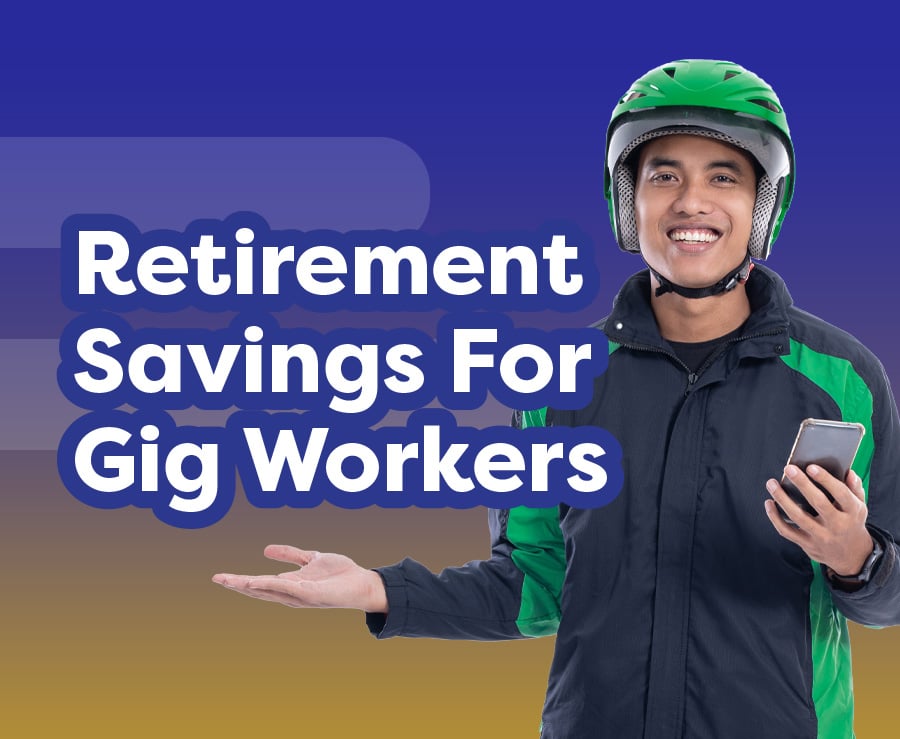
Once upon a time, a “gig” was simply a slang term used among musicians to describe a live performance, particularly by up-and-coming bands. Today, however, in the digital age, its meaning has evolved considerably.
The rise of the gig economy has created new opportunities for people to earn an income through freelance work, short-term contracts, and digital platforms.
From e-hailing and p-hailing drivers to freelance designers, content creators, video editors, and social media influencers, an increasing number of Malaysians are choosing a more flexible way of working and becoming their own bosses.
We have seen a steady increase in the number of full-time gig workers in recent years, and this trend is expected to continue growing. The appeal is understandable, gig work offers flexibility, independence, and the freedom to choose projects that align with one's interests and lifestyle.
However, alongside this freedom comes a responsibility that should not be overlooked, particularly when it comes to long-term financial planning and retirement savings.
Why should gig workers prioritise retirement planning?
Despite the freedom and flexibility offered by gig work, there are several financial challenges that can make retirement planning more difficult if not managed properly.
1. Unpredictable income
Unlike traditional employees who generally have more structured working hours, gig workers often face fluctuating schedules. As a result, their income can be inconsistent and difficult to predict.
This makes financial planning more challenging, as monthly earnings can be difficult to estimate. Consequently, developing the habit of saving for retirement becomes even more important.
2. EPF contributions are not mandatory
Most salaried employees benefit from mandatory EPF contributions made by both employers and employees. Gig workers, freelancers, and self-employed individuals, however, do not have this advantage.
Without compulsory contributions, retirement savings do not accumulate automatically. Everything depends on individual effort. For this reason, gig workers need to be more proactive and consistent in building their retirement savings from an early stage.
3. Limited benefits and protection
Traditional employment often includes benefits such as medical coverage, dental care, annual leave, and insurance. Gig workers generally need to bear these expenses themselves.
In addition, there is no concept of paid leave in the gig economy. Every time a gig worker takes time off, their income temporarily stops as well. Under these circumstances, financial planning becomes even more essential.
Read also: 5 Healthy Lifestyle Tips in Malaysia
How can gig workers manage their finances?
As a starting point, you can establish an emergency fund to cover unexpected expenses. Ideally, you should save at least three to six months’ worth of living expenses in a separate account.
For gig workers with irregular incomes, this emergency fund serves as an important financial safety net during uncertain times. Once this fund is adequately established, it becomes much easier to focus on long-term financial goals, particularly retirement savings.
Boost your EPF savings via i-Saraan
One of the simplest and most effective ways to build your retirement savings is through i-Saraan. This initiative is specifically designed for the self-employed individuals and those without a fixed income, allowing members to make voluntary contributions while enjoying additional government incentives, subject to terms and conditions.
For gig workers, freelancers and individuals with irregular income, i-Saraan offers a flexible approach to building long-term financial security and preparing for retirement.
In line with the growth of the gig economy, the EPF has also expanded its support for workers in the e-hailing and p-hailing sectors through i-Saraan Plus.
Under this initiative, eligible drivers can continue contributing towards their retirement savings in a more practical manner while enjoying the benefits available under the i-Saraan programme.
Why you should consider saving through i-Saraan
1. Flexible contribution
You can contribute to your EPF account at any time, with contribution amounts based on your financial capacity, subject to a maximum limit of RM100,000 per year. This flexibility allows you to continue saving for retirement without affecting your current cash flow, while helping you manage your finances more effectively.
2. Annual dividends
EPF's annual dividends help grow your retirement savings over time. These returns have the potential to outperform ordinary savings accounts or fixed deposits, helping to preserve the value of your savings against inflation and ensuring your retirement fund continues to grow over the long term.
3. Government incentives
Eligible individuals under the i-Saraan scheme can receive an incentive of up to 20% of their annual contributions, capped at RM500 per year.
For i-Saraan Plus participants, incentives can reach up to RM600 annually.
These incentives help accelerate the growth of your retirement savings.
4. Tax relief
Voluntary contributions towards retirement savings are also eligible for tax relief, subject to the terms and conditions set by the Inland Revenue Board of Malaysia (IRBM).
This provides an additional incentive to continue building your savings and preparing for the future.
5. Death assistance
EPF provides a death assistance of RM2,500 to eligible nominees or next of kin in the event of a member’s death, subject to applicable terms and conditions. This benefit offers additional financial support to families during difficult times.
Start building your retirement savings today
The gig economy has undeniably revolutionised the modern employment landscape and is here to stay.
As a gig worker, starting your retirement savings early can help you build a more secure financial future and provide greater confidence in navigating changes in the world of work.
Through initiatives such as i-Saraan and i-Saraan Plus, gig workers now have more opportunities to strengthen their retirement savings and plan for the future with greater confidence.